Is Bath Expensive to Visit in 2026?
Bath can be pricey or nearly free, and the difference is mostly down to how you book.
 Written with James Thornton, London to Bath day tour guide & heritage specialist
Short answer
Bath can be as expensive or as cheap as you make it. The big costs on a day trip are the train from London and the Roman Baths ticket, with food adding up after that. You can keep it low by booking advance off-peak or coach travel, timing your Roman Baths ticket, and leaning on free sights: the Royal Crescent exterior, the Abbey’s west-front exterior, and riverside viewpoints. Prices change, so check official sites for current figures.
Two people can visit Bath on the same day and one spends a fortune while the other barely opens their wallet. The city is not inherently expensive; the costs are almost entirely in the choices you make before you arrive. Book late and eat in the touristy spots and it adds up fast. Book ahead and lean on the free sights and it is a cheap day out.
So the honest answer to "is Bath expensive?" is: it depends, and mostly on you. Here is where the money actually goes on a day trip, and how to keep each part down without ruining the day.
Where does the money go on a Bath day trip?
Three things take most of the budget: getting there, the Roman Baths ticket, and food. The train from Paddington is the fastest option and the priciest if you buy late, the coach is the cheapest, and after those two calls everything else, from the spa to afternoon tea, is optional.
In rough order of size for a visitor from London:
| Getting there | Usually the biggest single cost. The train from Paddington is fastest but the fare swings hugely with when you book. The coach is slower but typically the cheapest option. |
|---|---|
| The Roman Baths | The main paid attraction, and worth it for most people. A timed ticket, priced per adult, with concessions and family options. |
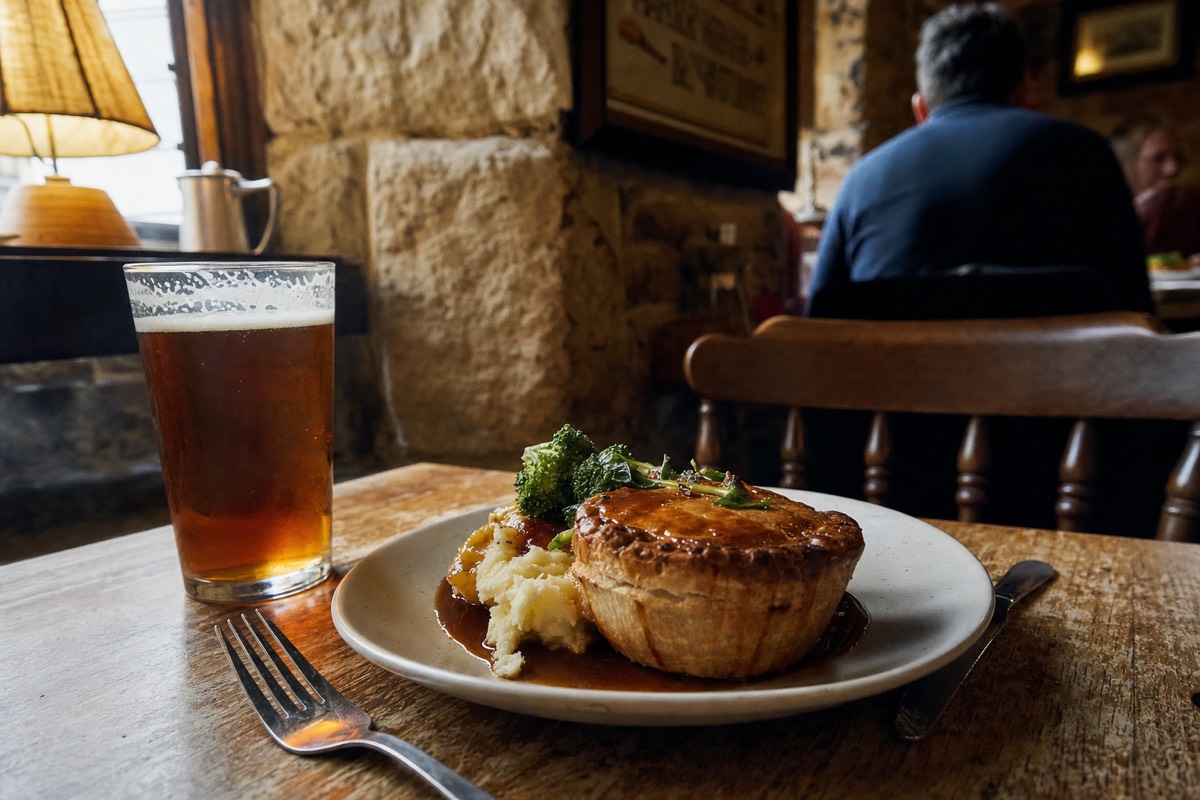
| Food and drink | Easy to overspend here. Sit-down lunches, afternoon tea and the Pump Room add up; a bakery lunch does not. |
After those, everything else is optional: the spa, extra museums, the odd paid tower tour at the Abbey. I am deliberately not printing prices for any of this, because rail fares and ticket prices change constantly and vary by date, time and season. For the live figures, check the official Roman Baths site and the Great Western Railway or National Express sites when you plan. Our getting from London to Bath guide walks through the travel options in more detail.
| Route from London | Journey time | The cost logic |
|---|---|---|
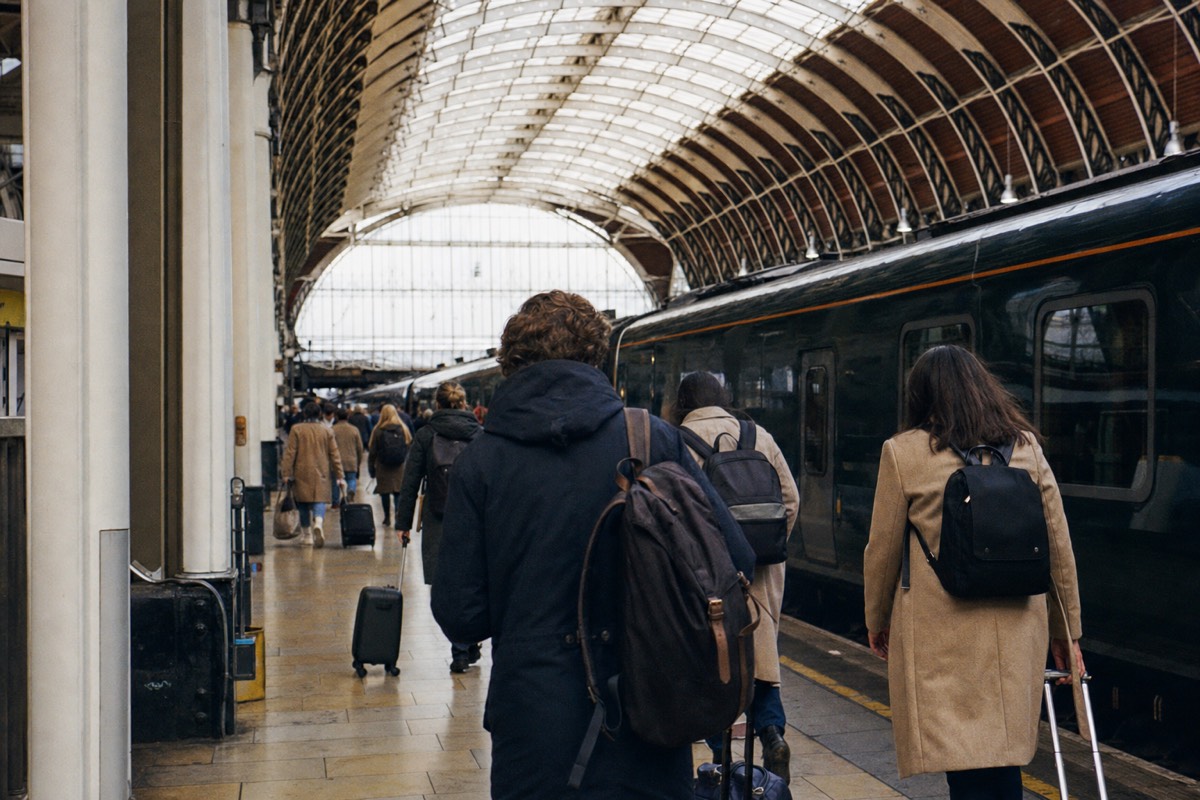
| Train from Paddington | Fastest direct service 1 hour 19 minutes | Around 72 weekday trains; advance off-peak fares cost far less than walk-up anytime tickets |
| Coach from Victoria | Around three hours | Usually the lowest fare of any option |
| Driving | Varies with traffic | Bath's Clean Air Zone does not charge private cars or motorbikes, but city-centre parking adds up |
How can you visit Bath cheaply?
Book early and lean on timing. Advance off-peak train tickets cost far less than walk-up anytime fares, the coach from Victoria is usually cheapest of all, and a Roman Baths timed ticket booked online beats paying on the door. Eat from Bath's bakeries and save the sit-down treat for one meal.
The good news is that the biggest savings are the easiest to make. None of this costs you a worse day; it mostly costs you a bit of planning.
Book travel early and off-peak. Advance off-peak train tickets are far cheaper than buying anytime fares on the day, which are the priciest of all. If you are flexible on timing, the coach from London Victoria is usually the lowest fare of any option, at the cost of a longer journey.
Time your Roman Baths ticket. Book online in advance for your chosen slot rather than paying on the door, and check for combined or family tickets if they suit your group. Look for quieter times too, since a rushed visit at peak is poor value.
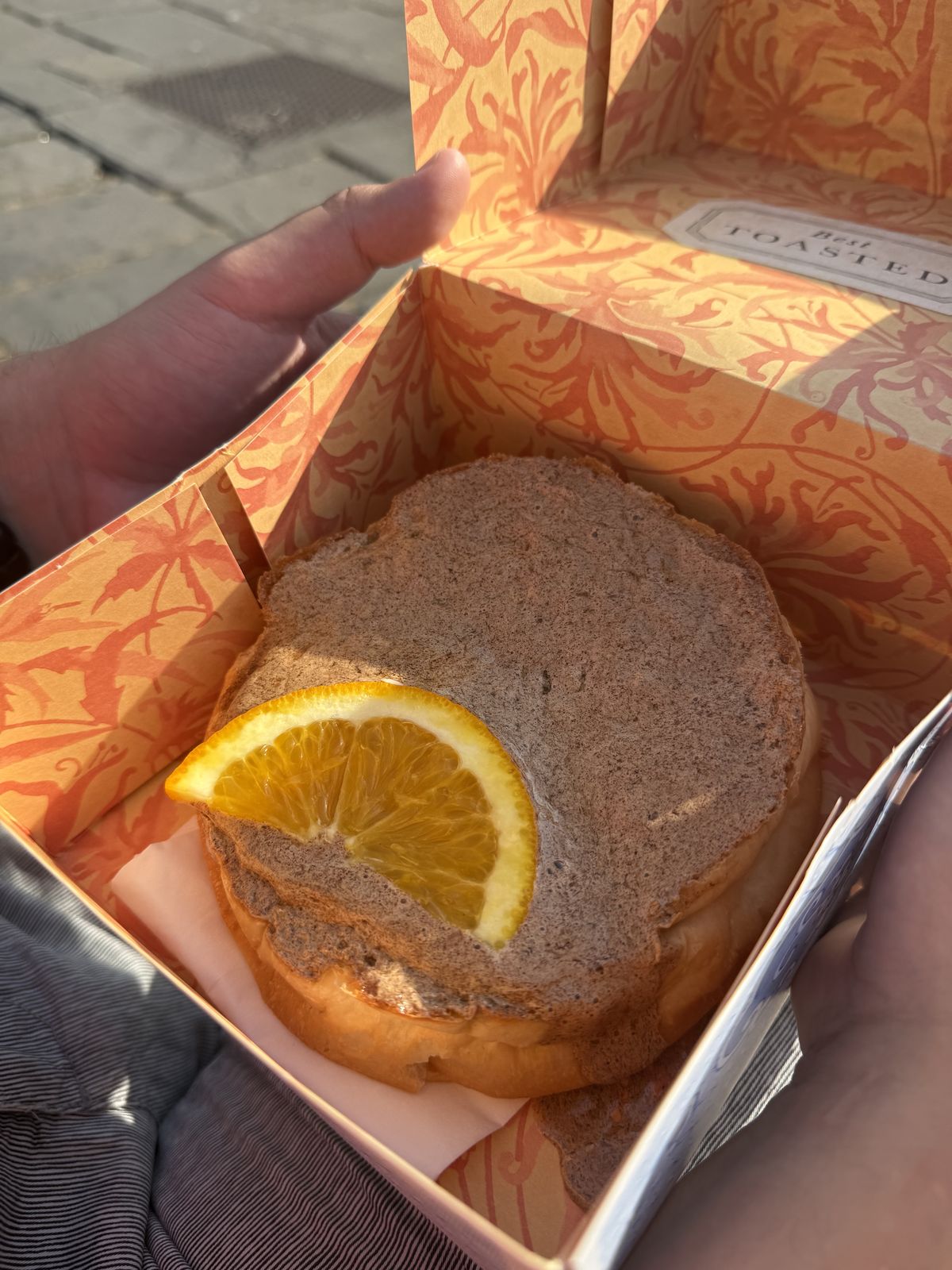
Eat like a local, not a tourist. Bath has excellent bakeries and independent cafes. A bun at Sally Lunn's, served in a house dated to around 1482 and one of the oldest in Bath, a sandwich in a park, or a lunch away from the main sightseeing crush costs a fraction of a formal afternoon tea. Save the sit-down treat for one meal, not three.
If you want to cover ground without the uphill walking, a 24-hour hop-on-hop-off bus ticket is a decent-value way to link the sights across the day, a separate add-on to the featured day tour rather than a replacement for it, and you can see the tour here.
What can you do in Bath for free?
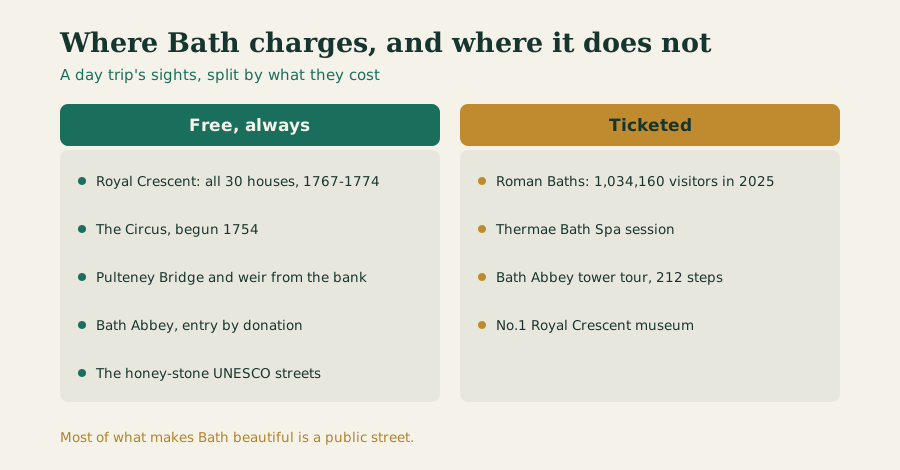
A remarkable amount. The Royal Crescent's sweep of 30 houses and the Circus are public streets, Bath Abbey’s west front is free to admire; sightseeing inside is ticketed, the view of Pulteney Bridge over its horseshoe weir costs nothing from the riverbank, and the honey-stone lanes of the UNESCO city are the attraction themselves.
Here is the part people miss. A huge amount of what makes Bath beautiful costs nothing at all.
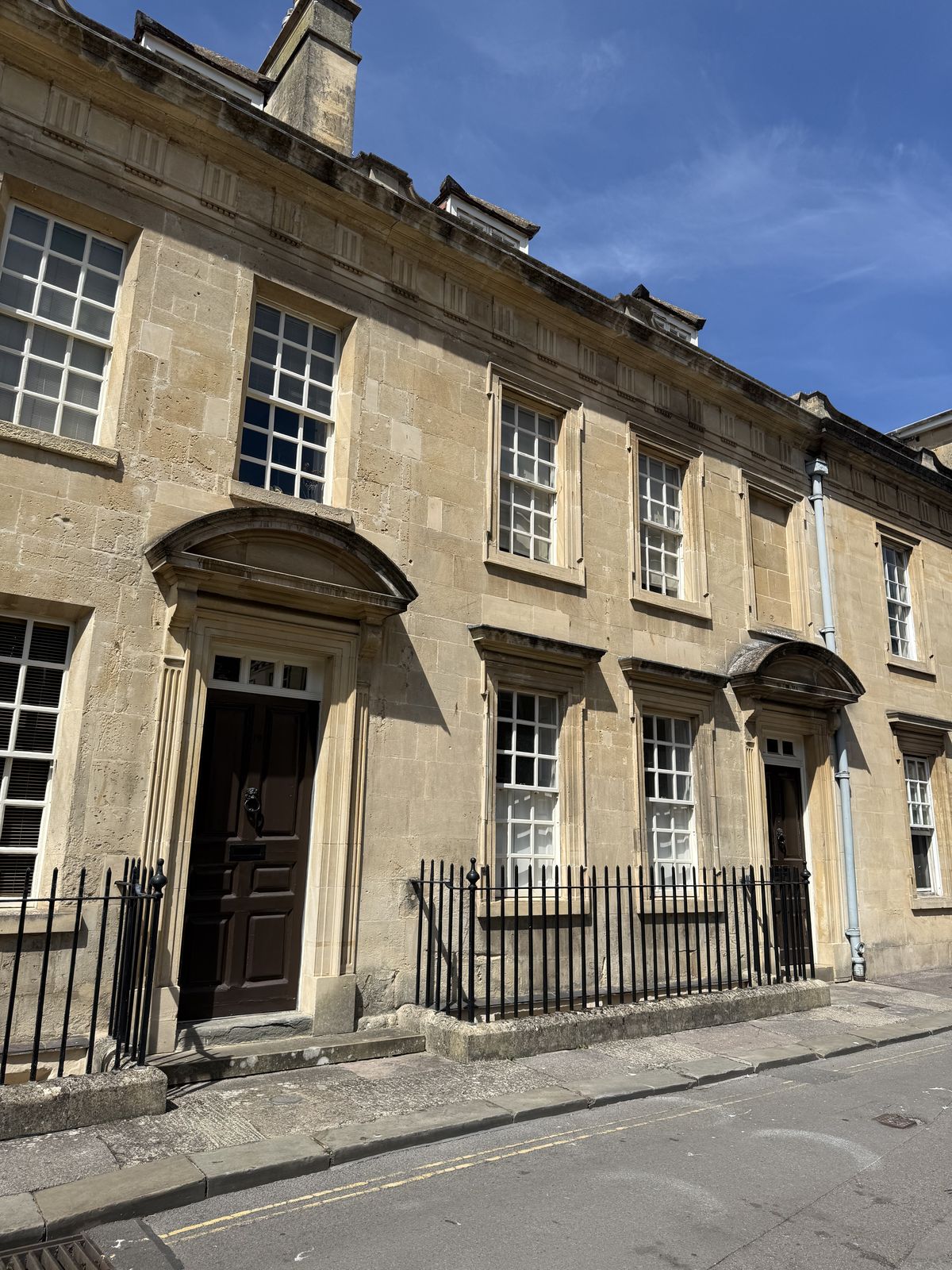
- The Royal Crescent and the Circus. The Crescent's 30 houses went up between 1767 and 1774 to John Wood the Younger's design, and the Circus, begun by his father in 1754, curves nearby. Both are streets. Walking up to them, standing in front, taking your photo: all free. You only pay if you go inside the No. 1 Royal Crescent museum.
- Bath Abbey. Sightseeing entry is ticketed. You can admire the "Jacob's Ladder" west front from outside for free; seeing the fan-vaulted ceiling inside requires admission. The paid 212-step tower tour is optional.
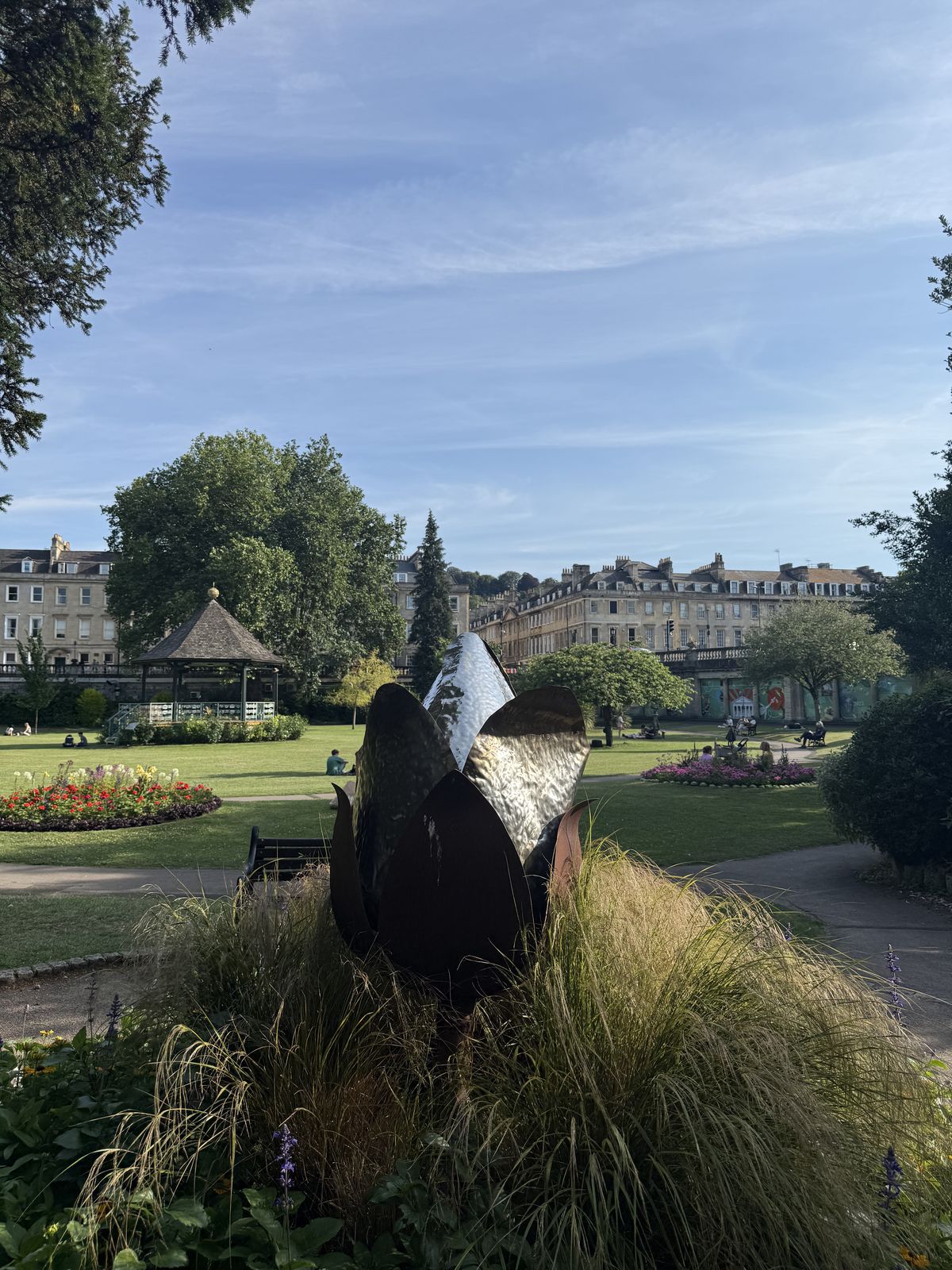
- Parade Gardens and the riverside. The best view of Pulteney Bridge, one of only four bridges in the world lined with shops along both sides of its full span, is free from the south bank, and Parade Gardens is a low-cost or free green space by the river depending on the season.
- The streets themselves. Bath is a UNESCO World Heritage city, which means the honey-stone lanes, the shopfronts and the hillside views are the attraction, and wandering them is the best free thing to do here.
Put those together and you can have a full, memorable day in Bath having paid only for travel, one attraction and a modest lunch. That is not an expensive day by any measure.
| Sight | What it costs |
|---|---|
| Royal Crescent and the Circus | Free to walk; pay only for the No. 1 Royal Crescent museum |
| Bath Abbey | Sightseeing admission is ticketed; the 212-step tower tour is a separate option |
| Pulteney Bridge and the weir | Free from the riverbank |
| Parade Gardens | Free or low-cost, depending on season |
| Roman Baths | The day's main paid ticket, timed entry |
| Thermae Bath Spa | A paid session, entirely optional |
Is the whole trip worth the cost?
For most people, comfortably yes. Even done carefully, a day in Bath buys a Roman monument, a medieval abbey, streets of world-class Georgian architecture and a walkable UNESCO city for one train fare and a single entry ticket. Few English day trips return as much per pound spent.
Weigh it against the experience in our take on whether a day trip to Bath is worth it.
If you would rather not juggle separate rail bookings, ticket timings and the route on the day, a guided day tour from London bundles the travel and the plan into a single price, which can work out simpler and sometimes cheaper than piecing it together late. Check the comparison to see how the numbers land for your group, and the live tour price on the operator's listing.
How should you budget for a day in Bath?
Think in three tiers rather than a single number. A shoestring day is coach travel, the Roman Baths as your one ticket, and bakery food. A middle day is an advance off-peak train, the Baths, and one proper meal. A comfortable day adds the spa or afternoon tea. The levers are travel, tickets and food, in that order.
| Budget lever | Shoestring choice | Middle choice | Comfortable choice |
|---|---|---|---|
| Getting there | Coach from Victoria | Advance off-peak train | Anytime train or car |
| Main ticket | Roman Baths only | Roman Baths, booked ahead | Roman Baths plus Thermae Bath Spa |
| Food | Bakery bun, park bench | One sit-down lunch | Afternoon tea or the Pump Room |
| Extras | The free streets | One museum | Multiple museums, tower tour |
The three-tier way of thinking is more useful than any single figure, because your day in Bath is really a set of independent choices rather than one price. Travel is the biggest lever by far. The coach from London Victoria takes around three hours and is usually the cheapest way in; an advance off-peak train is the middle path, faster and dearer; a walk-up anytime fare or a car with central parking sits at the top. Whatever your tier, the coach and the advance-booking window are where the real savings live.
The Roman Baths is the one ticket almost everyone should keep, whatever the tier, because it is the reason the city exists and the audio guide makes the visit. Beyond it, every add-on is genuinely optional: Thermae Bath Spa, a museum or two, the Abbey tower tour. A shoestring day skips all of them and loses very little, because the Georgian streets are free. The comfortable day adds the spa or a formal tea and turns a sightseeing trip into a treat. Food is the sleeper cost that decides which tier you actually land in. A bakery bun and a bench keep you on the shoestring; one good sit-down lunch is the middle; afternoon tea two or three times over is how a modest day quietly becomes an expensive one. Pick your tier before you arrive, not in the moment, and Bath behaves itself.
Where do people overspend in Bath?
Usually on the two things booked last: the train and lunch. A walk-up anytime fare bought on the day is the most expensive way to reach Bath, and drifting into the first afternoon-tea room by the Abbey at peak time is the most expensive way to eat. Both are avoidable with a little forward planning.
| Overspend trap | What it costs you | The cheaper move |
|---|---|---|
| Walk-up anytime rail fare | The priciest way to travel | Book advance off-peak, or take the coach |
| Peak afternoon tea by the sights | A premium for location | Eat a street back, or save tea for one treat |
| Central car parking | Limited and pricey | Use a Park & Ride; cars pay nothing for the Clean Air Zone |
| Paying the Roman Baths on the door | No saving, and queues | Book a timed ticket online |
The pattern is almost always the same: the costs that hurt are the ones left to the last minute. Rail fares climb as the day approaches, so the traveller who books a week ahead and the one who buys at the barrier can pay very different amounts for the same seat. That single decision, advance versus walk-up, moves more money than any other on the trip. Check the live fares on National Rail and book the cheapest advance off-peak slot that fits your plan.
Food is the second trap, and it is a location tax more than a quality one. The tea rooms and cafes clustered right by the Abbey and the Baths charge for the address; walk two or three streets out and the same lunch costs noticeably less. Drivers have a third trap waiting, which is central parking. Bath's Clean Air Zone does not charge private cars or motorbikes a penny, so the driving myth that you will be taxed to enter is wrong, but city-centre parking is limited and pricey, and the Park & Ride sites are the sane answer. None of these traps needs willpower to avoid. They need a booking made a few days early and a willingness to walk a short way for lunch.
What does James tell travellers who want to keep costs down?
James Thornton, who has guided London-to-Bath day trips since 2022 for more than a thousand visitors, says the cheapest day and the best day are usually the same day. His rule: spend on the Roman Baths and your travel, then let Bath's free Georgian streets do the rest. The people who overspend, he finds, are the ones who treat every sight as a paid ticket.
I have guided London-to-Bath day trips since 2022, and after more than a thousand travellers I can tell you the cheapest day and the best day are usually the same one. That surprises people who assume a good day out means spending freely. In Bath it does not, because the thing most visitors remember is the walk itself, and the walk is free.
My advice to anyone watching the budget is to spend deliberately on two things and relax about the rest. Spend on getting there well, which means booking ahead, and spend on the Roman Baths, which is the one ticket that earns its keep. After that, let the city carry you. The Royal Crescent and the Circus are open streets; you stand in front of the finest Georgian architecture in the country and it costs nothing. The Abbey’s exterior is free to admire, but budget for a ticket if you want to go inside. The view of Pulteney Bridge from the south bank is free, and it is the photograph everyone takes home.
The people I watch overspend are the ones who treat every sight as a turnstile, paying into museum after museum when the best of Bath is the open-air part. I am not against the paid extras; the spa is wonderful and No. 1 Royal Crescent is a lovely hour. But you do not need them to have a full day, and a first-timer on a budget should not feel they are missing the point by skipping them. Bring good shoes, book your travel early, keep one ticket, and eat like a local. That is the whole trick.
Is Bath pricier than other day trips from London?
Not for what you get. A day in Bath bundles a Roman monument, a medieval abbey and a whole Georgian city into one train fare and one main ticket, where a comparable trip to York or the Cotswolds spreads the day across more separate stops and more travel. Bath's density is what makes it good value.
| Day trip | The cost logic | Where the value sits |
|---|---|---|
| Bath | One fare, one main ticket, most sights walkable and free | Everything close, much of it free to look at |
| The Cotswolds | Villages are free but scattered; you pay in transport | Best by tour or car, less so by public transport |
| York | A compact city about two hours by train | Similar density to Bath, farther north |
| Stonehenge | A single paid site plus the travel to reach it | One headline monument, not a full day's variety |
Value is not the same as cheapness, and Bath's case rests on density. In a single walkable centre you get a Roman bathing complex built around Britain's only naturally hot spring, the last great medieval abbey of England, and streets of Georgian architecture good enough to make the whole city a UNESCO World Heritage Site. One train fare delivers all of it, and most of the looking is free. That is a lot of variety per pound.
Compare the alternatives honestly and the point holds. The Cotswolds are beautiful but scattered, so the villages that cost nothing to walk still cost you in transport, and the trip works best by car or tour rather than public transport. York offers a similar compact-city density to Bath, with its Minster and the longest medieval walls in England, but it sits farther from London. Stonehenge is a single headline monument plus the travel to reach it, memorable but not a full and varied day on its own. None of this makes the others bad value; it makes Bath unusually efficient. If your measure is how much genuine variety a day trip returns for one fare and one main ticket, Bath is near the top of the English list.
Does Bath cost more for a family or a couple?
The per-person maths shifts with the group. Rail and the Roman Baths both offer family and group options that soften the headline, and the free sights cost the same whether you are one or five, so children add less than you fear. Food is where a family's bill climbs fastest, which is the strongest argument for bakeries over sit-down meals.
| Group | Where the cost concentrates | The saving lever |
|---|---|---|
| Solo visitor | Travel is the biggest share | Advance off-peak or coach |
| Couple | Travel plus two Baths tickets | Split one afternoon tea, not two |
| Family | Food and multiple tickets | Family rail and Baths tickets; picnic lunches |
Group size changes the arithmetic more than people expect, mostly in your favour. The free sights, which are the bulk of Bath's appeal, cost exactly the same whether you arrive alone or with three children in tow. Walking the Royal Crescent, admiring Pulteney Bridge, wandering the honey-stone lanes: all of it is per-visit-free, so every extra person dilutes the fixed cost of the day rather than adding to it.
Where a group does pay more is on the two metered items, travel and tickets, and both offer ways to soften the blow. The Roman Baths sells concessions and family options, so a family does not simply multiply the adult rate, and the railway's family and group fares work the same way; check both official sites for the current deals when you book. Food is the real variable. A couple can split one afternoon tea and call it a treat; a family that eats every meal sitting down in the tourist core will watch the bill climb quickly. The fix is the same as it is for everyone, only it matters more with more mouths: lean on the bakeries, picnic in Parade Gardens or by the river, and save the sit-down meal for one occasion rather than three. Done that way, a family day in Bath is far gentler on the wallet than its reputation suggests.
Is Bath expensive to visit?
It can be, but it does not have to be. The main costs are travel from London and the Roman Baths ticket. Book advance off-peak or coach travel, use free sights like the Royal Crescent exterior and the Abbey’s exterior, and it becomes a cheap day out.What are the free things to do in Bath?
The Royal Crescent and the Circus exteriors, Bath Abbey’s exterior, the view of Pulteney Bridge and the weir from the south bank, Parade Gardens, and simply walking the honey-stone streets of the UNESCO city.What is the cheapest way to get to Bath from London?
The coach from London Victoria is usually the lowest fare, though it takes around three hours. On the train, advance off-peak tickets are far cheaper than buying anytime fares on the day.How much does the Roman Baths cost?
Prices change and vary by season, day and group, so check the official Roman Baths website for the current figure. Booking a timed ticket online in advance is the best value.Can you visit Bath on a budget?
Yes. Book travel early, time your Roman Baths ticket, eat from bakeries rather than sit-down spots, and lean on the free sights. You can have a full day having paid only for travel, one attraction and a light lunch.Plan your next step
City walk & Roman Baths entry
Have a travel date in mind? Pair a Blue Badge guided city walk with a self-guided visit inside the Roman Baths. Check your date before arranging the rest of your day.
About 3 hours; meet outside Bath Abbey’s main doors. Roman Baths entry and audio guide included; your guide does not lead the visit inside.
Start with this option, or compare the choices below.
Choose a date to see the published schedule.
Compare the options for your Bath plans
| Experience | Why choose it | Allow | What to account for |
|---|---|---|---|
| City walk & Roman Baths entry | Pair a Blue Badge guided city walk with a self-guided visit inside the Roman Baths. | 3 hours | About 3 hours; meet outside Bath Abbey’s main doors. Roman Baths entry and audio guide included; your guide does not lead the visit inside. |
| Roman Baths entry & audio guide | Explore the Great Bath, temple remains and museum at your own pace. | 2 hours | Timed admission in Bath with an audio guide. Allow 1½–2 hours as a planning estimate; no bathing or London transport. |
| Georgian Bath walking tour | Read the details of the Circus, Royal Crescent and quiet Georgian streets with a local guide. | 3 hours | Allow 2–3 hours; meet and finish at Bath Abbey. Exterior sightseeing on foot; paid interiors and travel to Bath are separate. |
| Stonehenge & Bath from London | See Stonehenge and Bath with the coach journey and guide arranged together. | 11 hours | About 11 hours; Victoria Coach Station departure, Gloucester Road return. Choose the admission option you want; meals and hotel pickup are not included. |