Is the Roman Baths Worth It?
The short version: yes, and it is the one thing most day-trippers should not skip.
 Written with James Thornton, London to Bath day tour guide & heritage specialist
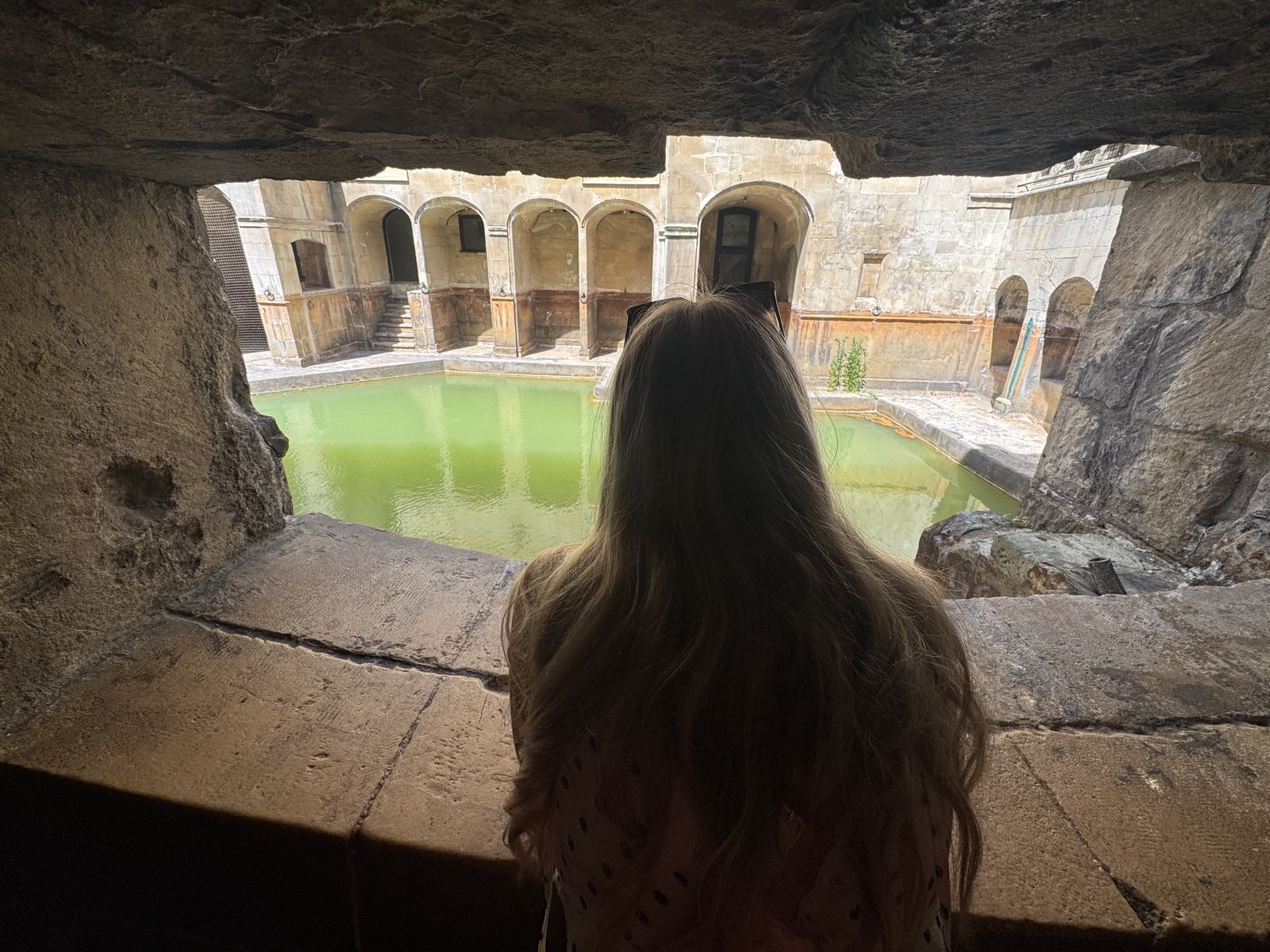
Short answer
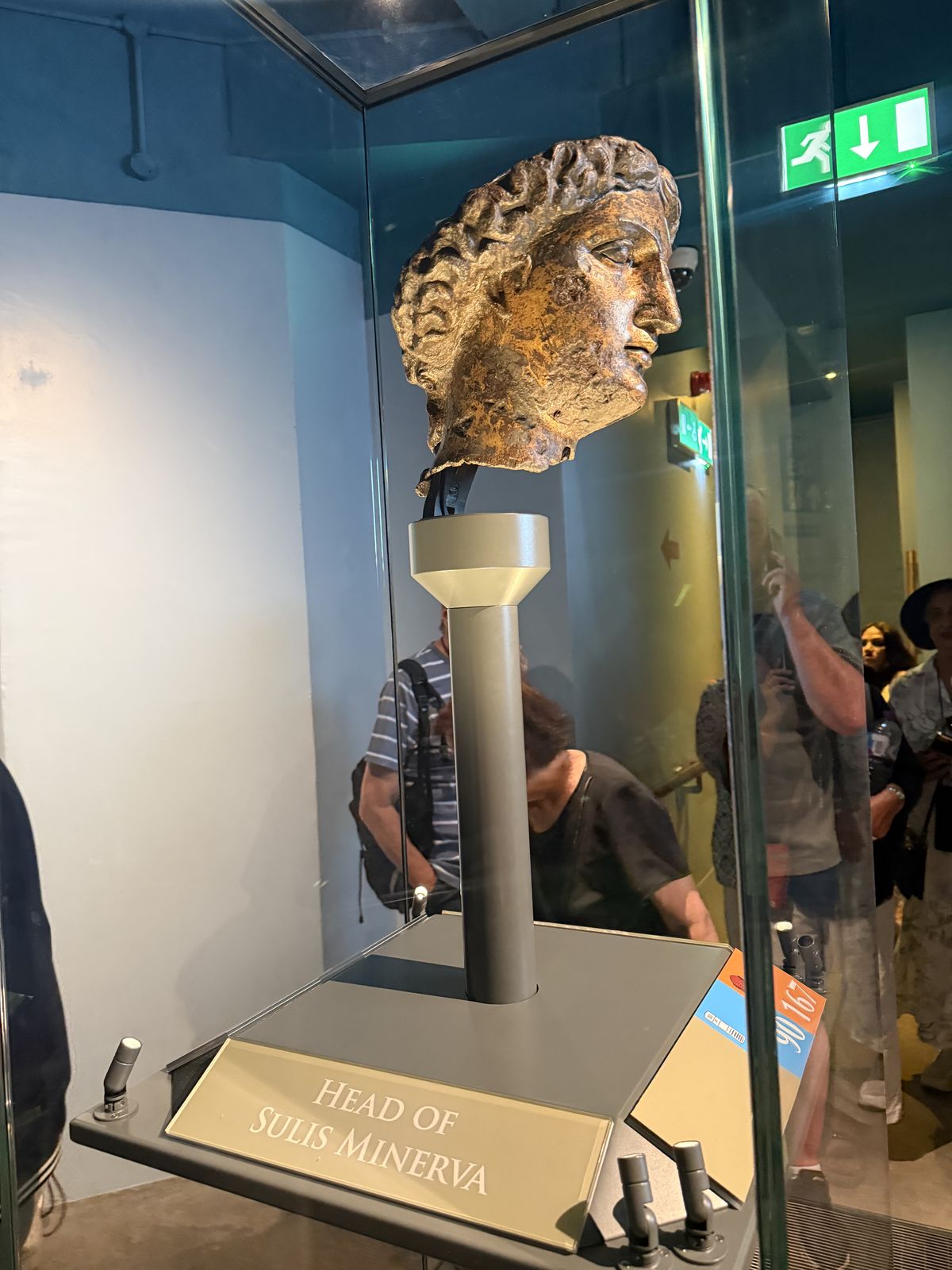
Yes, the Roman Baths is worth it and is the highlight of a day in Bath for most visitors. You walk around the steaming Great Bath, stand over the Sacred Spring, and see genuine Roman finds in the museum, including the gilded head of Sulis Minerva and the Gorgon-faced Temple pediment. You cannot bathe in the water here. Allow about 1.5 to 2 hours, and book a timed ticket in advance during summer.
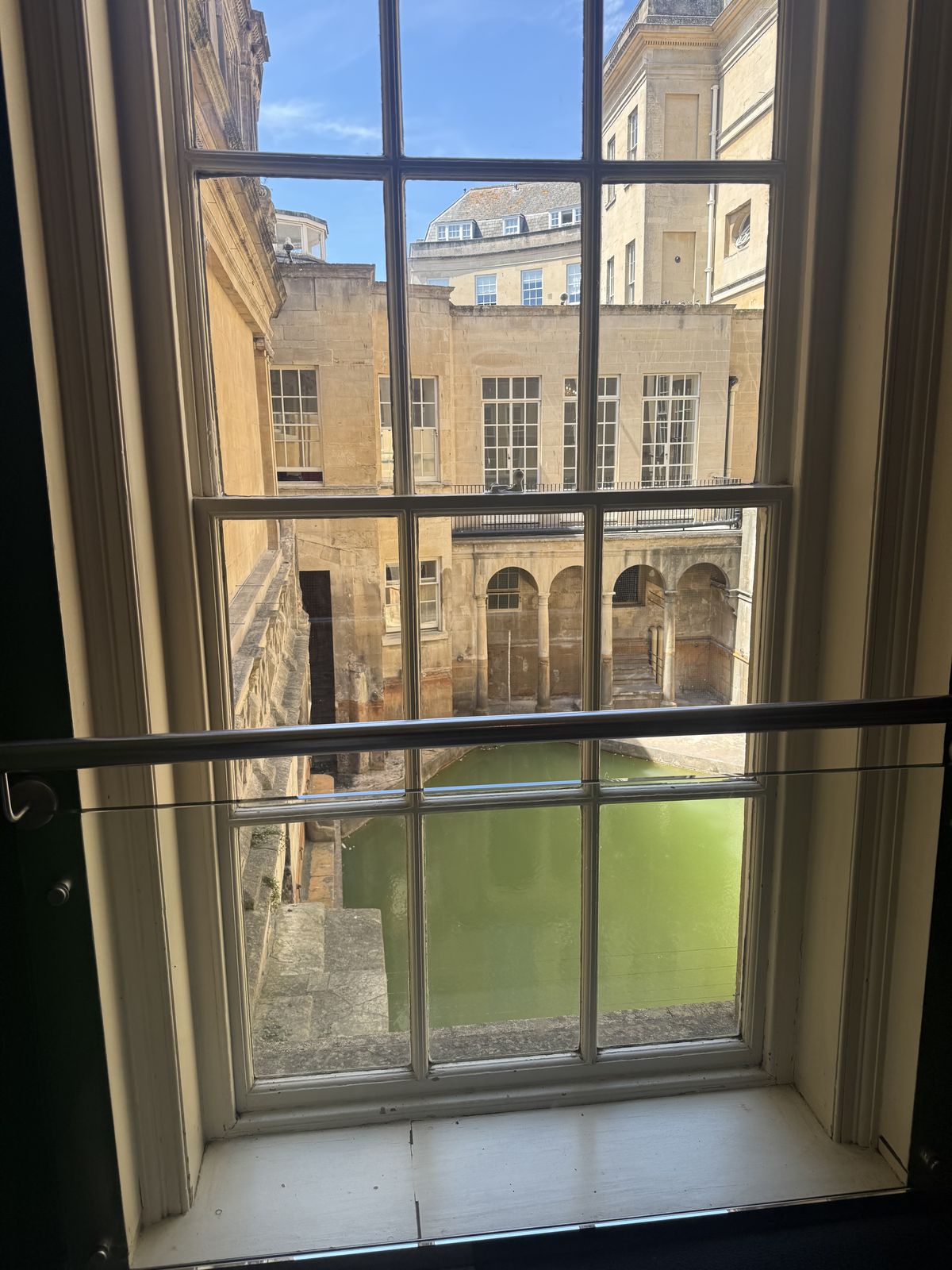
Stand on the terrace above the Great Bath on a cool morning and the water actually steams. That, more than any museum caption, is the moment people remember. This is Britain's only naturally hot spring, and the Romans built a temple and bathing complex around it nearly two thousand years ago. You are looking at the real thing, not a reconstruction of it.
So is the Roman Baths worth the ticket and the time? For almost everyone doing a day in Bath, yes. It is the single site that makes the trip feel worth the journey from London. Let me walk you through what you get for your money and where it falls short, so you go in with the right expectations.
What do you actually see inside the Roman Baths?
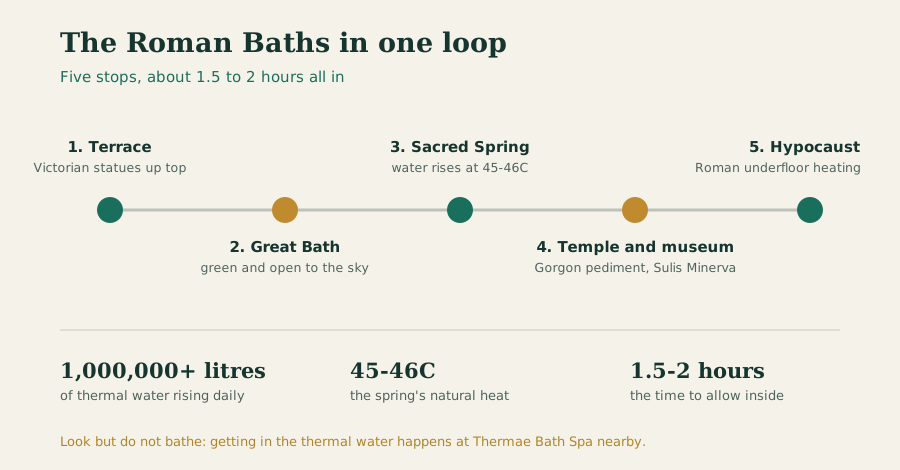
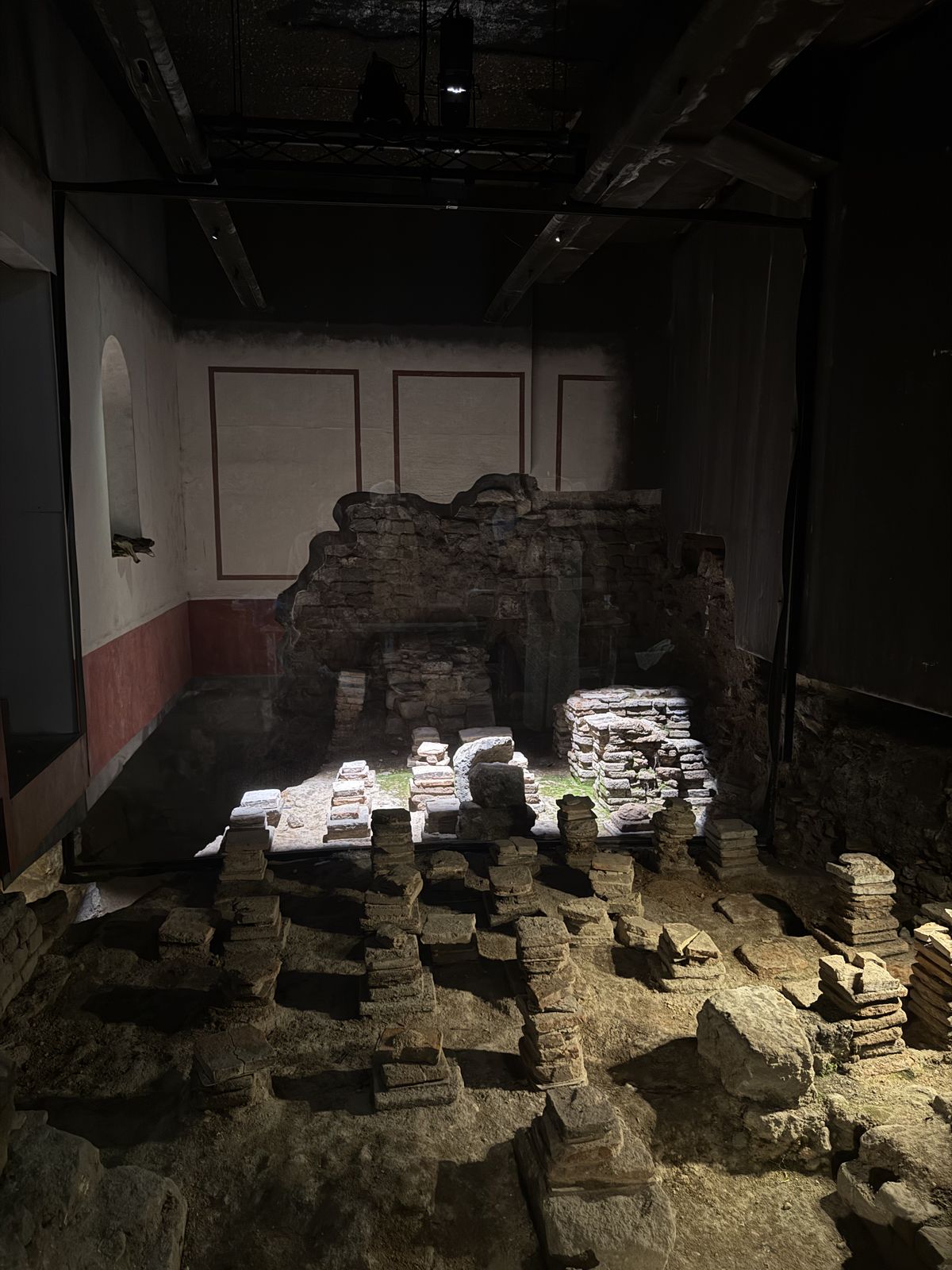
You walk a loop from the terrace down to spring level: the steaming Great Bath, the Sacred Spring where the water surfaces, the Temple of Sulis Minerva's foundations, the hypocaust heating system, and a museum holding the gilded head of Sulis Minerva and the Gorgon-faced Temple pediment. An audio guide is included.
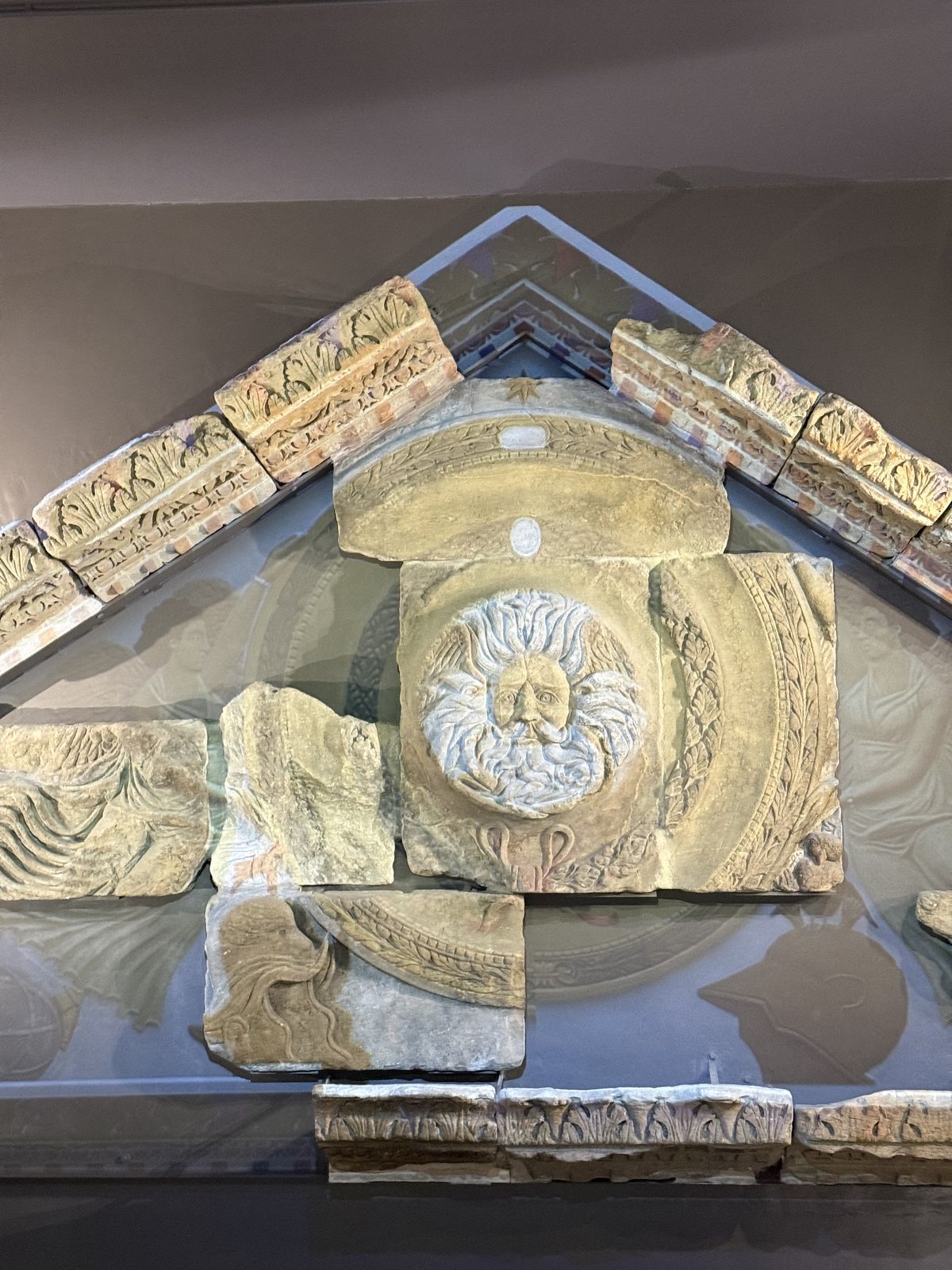
The set pieces along the route are these:
| The Great Bath | The big open-air pool of green thermal water, ringed by stone paving and Victorian statues of Roman emperors up top. Green because it is open to the sky and sunlight grows algae, not because it is dirty. |
|---|---|
| The Sacred Spring | The source itself, where hot water surfaces at around 46°C. The Romans thought a goddess lived here, and threw in coins and curses. |
| The Temple of Sulis Minerva | Foundations and carved stone from the temple that stood over the spring, blending the Celtic goddess Sulis with the Roman Minerva. |
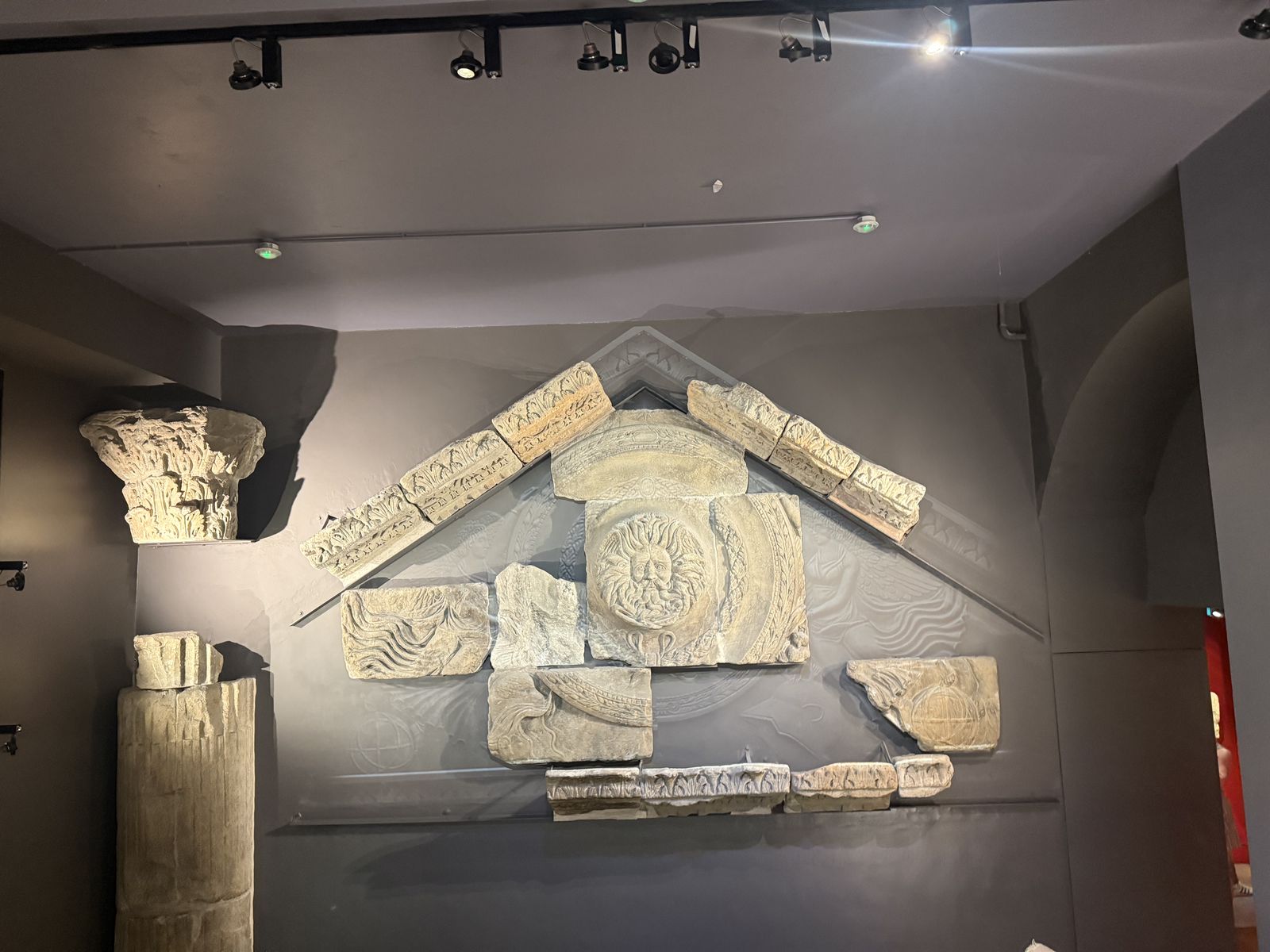
| The museum | The gilded bronze head of Sulis Minerva, and the reconstructed Temple pediment with its fierce Gorgon's head staring out. These are the finds that stay with you. |
| The hypocaust | The stubby brick pillars of the Roman under-floor heating system, the ancient version of central heating. |
The Gorgon pediment alone is worth lingering over. It is a strange, glaring face, and nobody is entirely sure who the Roman carver meant it to be.
The audio guide is included, and it is genuinely good. One of the tracks is voiced by Bill Bryson, which is a nice touch if you have read his writing on Britain. Hold your phone or the handset up at each numbered stop and it fills in the story without you having to read every panel.
Can you bathe at the Roman Baths?
No. The Great Bath is a museum exhibit, roped for viewing, with untreated water you do not enter. To bathe in Bath's thermal water you book Thermae Bath Spa, a separate modern building fed by the same springs, whose treated pools sit at a comfortable 33.5 to 34C. Many visitors do both in one day.
This is the one thing to get straight before you go. You do not get in the water at the Roman Baths. You look at it, you can dip a finger in a small spa-water feature in places, but the Great Bath is not a pool you swim in. The stone is worn, the water is untreated, and it is roped for viewing only.
If bathing in the thermal water is what you actually want, that happens next door in spirit but in a separate building: the modern Thermae Bath Spa, which draws on the same springs and has a rooftop pool with views over the rooftops. Sessions, prices and age rules live on the official Thermae site. Plenty of people do both in a day, the Baths in the morning to see the history, the spa later to feel it.
How busy does the Roman Baths get?
Busy, and getting busier. The Roman Baths drew 1,061,240 visitors in 2023, its first time past a million since the pandemic and 25% up on 2022, then 1,034,160 in 2025, ranking as the UK's 32nd most-visited attraction. Timed tickets spread the load, but summer middays are still the crush.
| Year | Visitors | The story |
|---|---|---|
| 2022 | 851,854 | Still rebuilding after the pandemic |
| 2023 | 1,061,240 | Up 25%, and past a million for the first time since the pandemic |
| 2025 | 1,034,160 | The UK's 32nd most-visited attraction |
Those numbers explain the timed-ticket system, and they are why the first slot of the day feels like a different site from a July lunchtime. They are also a vote of confidence: few paid attractions outside London pull figures like these.
How long does it take, and should you book ahead?
Allow about 1.5 to 2 hours, including the museum and the audio guide. Tickets are timed, and popular summer slots sell out, so book on the official Roman Baths site and pick your entry hour in advance. First entry and the last hour before closing are the quietest windows.
Rush it and you will feel you skimmed the museum; linger and you can easily fill two hours, especially with the audio guide. That timing matters if you are fitting Bath into a single day, because it leaves room for the Abbey next door, the Royal Crescent, and a walk to Pulteney Bridge.
Book ahead on the official Roman Baths website and pick your entry time; do not turn up in July expecting to walk straight in. I will not quote a price here because they change and vary by season and day, so check the official site for the current figure and any combined tickets.
| Question | The short version |
|---|---|
| Time needed | About 1.5 to 2 hours |
| Tickets | Timed entry; book ahead for summer and weekends |
| Audio guide | Included, with a track voiced by Bill Bryson |
| Bathing | Not here; that is Thermae Bath Spa's job |
| Quietest slots | First entry, or the final hour or two |
If the logistics of trains and timings put you off, this is exactly the kind of thing a guided day trip smooths over. A guided day tour from London sorts the travel and drops you into the centre with your Bath time already planned, so the Roman Baths is a short walk rather than a scramble.
Who might skip the Roman Baths?
Skip it only if you have small children who will not wear an audio guide, or you have toured bigger Roman sites like Pompeii and would rather spend the hours on countryside. For nearly everyone else, it is the single site that makes the journey from London feel worth it.
Honesty first. It is history you observe, not an activity, and it asks for a bit of patience at the numbered stops. But for a first visit to Bath, and for anyone who likes the idea of standing where Romans stood, it earns its place at the top of the list. Compare it against the other Bath highlights if you are weighing where your hours go.
How does the Roman Baths compare with Bath's other must-sees?
The Roman Baths sits at the top of most first-timers' lists because it is the one thing in Bath you can see nowhere else. The Abbey, Royal Crescent, Pulteney Bridge and Thermae Bath Spa all reward a visit, but they slot around the Baths rather than replacing it. Time and mood decide the order.

Bath is compact, so you are choosing between sights that are all within a short walk of each other. The useful question is not which one is best but which ones fit the hours you have. This ladder lines them up by the time each asks of you and what you actually get.
| Roman Baths | 1.5 to 2 hours. Britain's only naturally hot spring, the museum finds and the audio guide. Timed, paid entry. |
|---|---|
| Bath Abbey | 30 to 45 minutes, longer with the 212-step tower tour. A medieval church with fan vaulting and the west-front angels. Sightseeing entry is ticketed. |
| Royal Crescent | 20 to 40 minutes. A sweeping arc of 30 Georgian houses from the 1760s and 1770s; No.1 Royal Crescent is a period museum you can go inside. |
| Pulteney Bridge | About 15 minutes. One of only four bridges in the world with shops across both sides, with the horseshoe weir below. Free to walk. |
| Thermae Bath Spa | A booked session, often two hours or more. The modern spa where you actually bathe in the thermal water, rooftop pool included. |
Read that as a running order, not a shortlist. Most people who plan a full day put the Roman Baths first while they are fresh, walk to the Abbey next door, then loop out to the Crescent and back past Pulteney Bridge. If you want a fuller rundown of how the sights connect, the Bath visitor guide from VisitBath maps the central cluster well. Only Thermae asks you to commit a long block, which is why it usually lands last in the day rather than competing with the sightseeing.
When is the best time to visit the Roman Baths?
Aim for the first entry of the day or the last hour or two before closing, when the timed slots thin out. Across the year, late spring and early autumn balance decent weather with lighter crowds; July and August are the busiest; and a wet day is a good day, since the whole route is under cover.
The timed-ticket system spreads arrivals, but it cannot conjure space out of thin air. A July lunchtime slot puts you shoulder to shoulder on the terrace; the same terrace at opening or in the final hour feels like a different place. If you have any choice over your entry time, take an edge of the day.
Season matters less than time of day, but it still shifts the experience. Here is how the year tends to run.
| Season | Crowds | Why it works, or does not |
|---|---|---|
| Jan to Feb | Lightest | Cold outside, but the route is sheltered and quiet; a strong wet-weather pick |
| Mar to Apr | Building | Spring visitors arrive; still manageable on weekdays |
| May | Moderate | Long daylight, gardens in bloom, crowds not yet at peak |
| Jun to Aug | Heaviest | School holidays and tourists; book well ahead and take an early slot |
| Sep | Moderate | Warm light, thinner crowds, one of the best windows of the year |
| Oct to Dec | Building late | Quieter until the Christmas market pulls people into the centre |
Because the Baths are almost entirely under cover, they are the obvious move when the Somerset weather turns. Rain that ruins a walk along the Royal Crescent does nothing to the Great Bath, which is exactly why locals send visitors there on a grey afternoon.
How do you fit the Roman Baths into a day trip from London?
On a train day trip, the Roman Baths anchors the middle of your morning. A fast GWR service from Paddington reaches Bath Spa in about 1 hour 19 minutes, and the station is a five-minute walk from the door. Book an entry slot for mid-morning, allow two hours, and the rest of central Bath falls into place around it.

The direct London Paddington to Bath Spa run goes roughly every half hour on a weekday, so you are not tied to a single train. Aim to arrive by mid-morning, which leaves the afternoon for everything else and still gets you home at a sensible hour. Live times and any engineering changes are worth a look on National Rail before you set off.
Here is a realistic shape for a self-guided day, built around a mid-morning Baths slot.
| Time | What you are doing |
|---|---|
| 08:30 | Board a direct GWR service at London Paddington |
| 09:50 | Arrive Bath Spa; walk five minutes to the Roman Baths |
| 10:00 | Roman Baths with the audio guide, allow 1.5 to 2 hours |
| 12:00 | Lunch near the Abbey, then step inside the Abbey itself |
| 13:30 | Walk up to the Royal Crescent and the Circus |
| 15:00 | Down to Pulteney Bridge and the weir, tea if there is time |
| 16:30 | Back to Bath Spa for the train to London |
That is comfortable, not rushed, and it treats the Baths as the fixed point everything else bends around. If sorting the trains and timings sounds like more admin than you want on a day out, a guided day tour from London does the logistics for you and hands you your Bath time already planned.
What does James tell first-time visitors about the Roman Baths?
James, who has guided London-to-Bath day trips since 2022 and shown well over a thousand travellers around the city, says the mistakes are almost always the same three: turning up without a booked slot in summer, skipping the audio guide, and expecting to get in the water. Fix those and the Baths rarely disappoint.
"The single biggest one is arriving on spec on a July afternoon and finding the next slot is two hours off," James says. "In high summer I tell everyone to book the entry time before they leave home, and to take the earliest slot they can stomach. The site at opening is a genuinely different visit." His second refrain is about the audio guide: people wave it away to save time and then miss half the point of the room they are standing in. He tells them to keep it in hand the whole way round, Bill Bryson track included.
The third is the water. More than a few of his travellers assume they will be bathing here, then feel short-changed when they cannot. "That is not a fault of the Baths, it is a booking they should have made next door," he says, pointing them to Thermae Bath Spa for the actual soak. He also nudges people to slow down in the East Baths and the hypocaust rooms, the quieter chambers most visitors stride past on their way to the exit. None of this is a knock on the place. In James's experience it is the most reliable highlight of a Bath day, and the travellers who prepare for it are the ones who come away raving.
| Turning up without a slot | Book a timed entry before you travel, especially June to August, and pick an early hour. |
|---|---|
| Skipping the audio guide | It is included; keep it in hand at every numbered stop rather than reading panels. |
| Expecting to bathe | You cannot get in here; book Thermae Bath Spa separately if you want the water. |
| Rushing the quiet rooms | Give the East Baths and hypocaust a few minutes; they are where the crowds thin. |
Can you swim in the Roman Baths?
No. The water is untreated and the site is for viewing only. To bathe in Bath's thermal water, book the modern Thermae Bath Spa in a separate building nearby.How long do you need at the Roman Baths?
About 1.5 to 2 hours is right for most people, including the museum and the included audio guide. Allow the full two hours if you like to read everything.Do you need to book Roman Baths tickets in advance?
Yes in summer and on weekends, when timed slots sell out. You can reserve a timed Roman Baths entry ticket with the audio guide included, or book on the official Roman Baths website and choose your entry time. Check for current prices.Why is the water green?
The Great Bath is open to the air, and sunlight grows algae in the warm water. It is a natural colour, not a sign the water is dirty.Is the audio guide worth using?
Yes. It is included with entry, easy to use at numbered stops, and one commentary track is voiced by Bill Bryson.Plan your next step
City walk & Roman Baths entry
Have a travel date in mind? Pair a Blue Badge guided city walk with a self-guided visit inside the Roman Baths. Check your date before arranging the rest of your day.
About 3 hours; meet outside Bath Abbey’s main doors. Roman Baths entry and audio guide included; your guide does not lead the visit inside.
Start with this option, or compare the choices below.
Choose a date to see the published schedule.
Compare the options for your Bath plans
| Experience | Why choose it | Allow | What to account for |
|---|---|---|---|
| City walk & Roman Baths entry | Pair a Blue Badge guided city walk with a self-guided visit inside the Roman Baths. | 3 hours | About 3 hours; meet outside Bath Abbey’s main doors. Roman Baths entry and audio guide included; your guide does not lead the visit inside. |
| Roman Baths entry & audio guide | Explore the Great Bath, temple remains and museum at your own pace. | 2 hours | Timed admission in Bath with an audio guide. Allow 1½–2 hours as a planning estimate; no bathing or London transport. |